
ByJohn A
Choosing Window Treatments That Complement Your Interior
A window treatment chosen in isolation, without much thought to the rest of the room, tends to show. Even a well-made, good-quality option can look slightly off if it doesn’t sit comfortably alongside the furniture, flooring, and colour palette already in place. Working from the room’s existing style outward tends to produce a far more cohesive result than choosing a treatment first and hoping it fits afterwards.
Traditional and Period Interiors
Rooms with original cornicing, panelled doors, or period furniture generally suit treatments with a bit more softness and texture, rather than anything sharply geometric or overly minimal. Richer fabrics and more classic pleating tend to sit comfortably in these spaces, echoing the room’s existing detail rather than competing against it. A treatment that’s too stripped-back in a heavily detailed period room can end up looking like an afterthought rather than a considered choice.
See also: Home Improvement Center Helps You Build Stylish Spaces
Modern and Minimalist Spaces
Clean-lined, contemporary interiors generally call for the opposite approach. Simpler silhouettes, flatter fabrics, and a more restrained colour palette tend to sit better in a room built around clean surfaces and negative space. Ornate or heavily textured treatments can disrupt the visual calm that a minimalist room is usually designed around, even when the fabric itself is genuinely well made.
Eclectic and Maximalist Rooms
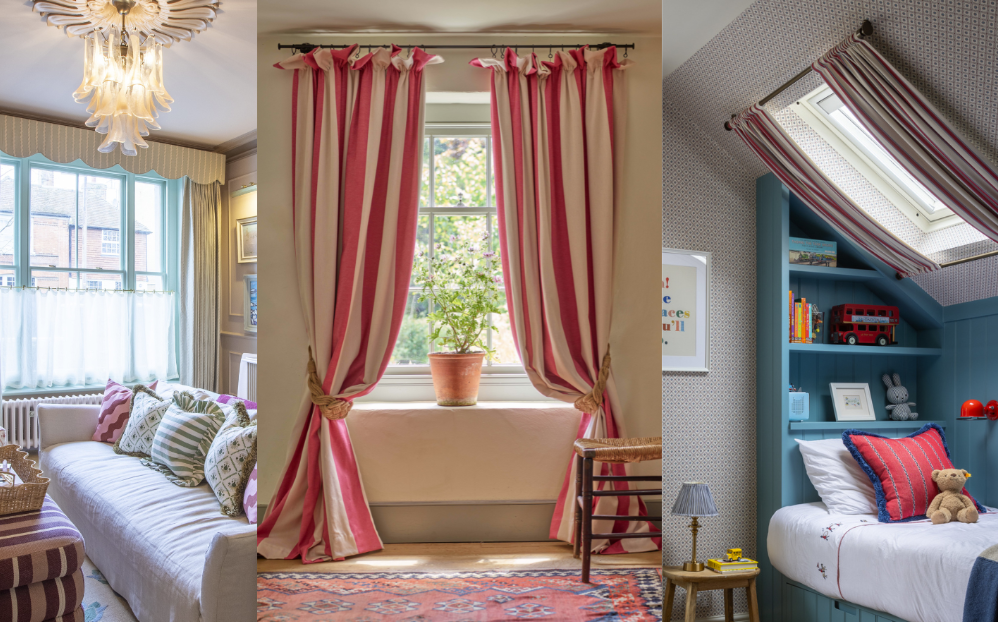
Rooms built around pattern mixing and bold colour combinations have more flexibility than most, since the whole point of the style is layering rather than restraint. That said, even an eclectic room benefits from a treatment that ties back to at least one existing colour or pattern in the space, rather than introducing something entirely disconnected. The best eclectic rooms feel curated rather than chaotic, and the window treatment plays a real part in maintaining that balance.
Neutral and Scandi-Inspired Interiors
Rooms built around a muted, neutral palette tend to benefit from treatments that add subtle texture rather than colour, since the whole aesthetic usually relies on tonal variation rather than contrast. A treatment in a slightly different shade of the same neutral family, with some texture to catch the light, tends to add depth without disrupting the calm, understated feel these interiors are generally going for.
Testing Before Committing
Colour and fabric can look noticeably different once they’re actually in the room, under the room’s own lighting, next to the furniture they’re meant to complement. A swatch that looked perfect on a screen or under shop lighting can read completely differently once it’s home. Many local specialists in blinds in Stockport offer a home sampling service specifically for this reason, letting a fabric be tested directly against existing furnishings and natural light before any commitment is made, which tends to prevent the most common and most frustrating mistake in this whole process.
Don’t Ignore the Room’s Existing Metalwork and Hardware
Door handles, light fittings, and other metal details in a room often go unnoticed until a new window treatment is chosen that clashes with them. Matching or at least complementing the existing metal tones, brass, chrome, or matte black, tends to tie a room together in a way that’s easy to overlook until it’s actually been done properly.
Let the Room’s Function Have the Final Say
Style should generally come second to function, even in a room where appearance matters a great deal. A treatment that looks perfect but doesn’t manage light or privacy properly for how the room is actually used will end up being adjusted, replaced, or resented within a year, regardless of how well it matched the interior on the day it was chosen.
Choosing a window treatment that genuinely complements a room isn’t about finding the single most stylish option available. It’s about understanding the room’s existing character first, testing choices properly before committing, and making sure the final decision holds up functionally as well as it does visually.
