ByJohn A
How Real-World Assets Are Being Tokenized
Real-world assets are increasingly converted into tradable tokens on blockchains, producing transparent mappings and auditable ownership signals. This shift enables fractional ownership, faster settlement, and broader access to diverse portfolios while enhancing data-driven risk assessment. Governance by design, standardized metadata, and compliance workflows address legal and interoperability concerns. Yet questions remain about regulatory clarity and operational security, inviting further examination of how issuers navigate frameworks and investors assess tokenized risk.
What Real-World Asset Tokenization Is and Why It Matters
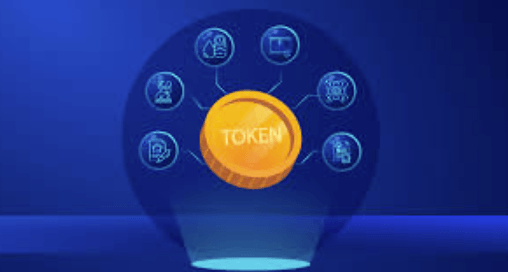
Real-World Asset (RWA) tokenization converts physical or traditional financial assets—such as real estate, commodities, or receivables—into tradeable digital tokens on a blockchain. This approach enables transparent asset mapping, enabling clearer ownership signals and risk assessments.
Governance models influence custody and decision rights, shaping interoperability and compliance. The framework seeks freedom through efficiency, liquidity, and auditable, data-driven accountability.
How Real-World Asset Tokenization Unlocks Liquidity and Investor Access
Tokenization of real-world assets creates a frictionless, near-instantaneous pathway to liquidity and broadened investor access.
The real world benefits emerge as fractional ownership expands markets, enabling faster price discovery and diversified portfolios.
Yet tokenization challenges persist, requiring robust standards and interoperable rails.
When executed strategically, investor access increases, and liquidity impact broadens capital formation beyond traditional gates, empowering disciplined, freedom-loving market participants.
See also: dedicatedideascom
Practical Hurdles: Legal, Regulatory, and Technical Challenges in Tokenization
Despite its promise, tokenization confronts a spectrum of practical hurdles spanning legal, regulatory, and technical dimensions.
The analysis highlights uneven legal compliance standards, evolving governance frameworks, and cross-border jurisdiction ambiguities that complicate asset-backed issuance.
Data-driven risk signals emphasize interoperability costs, cybersecurity, and audit transparency.
Strategic emphasis rests on clear governance, standardized disclosures, and scalable compliance tools to sustain investor freedom and market integrity.
A Step-by-Step Tokenization Framework for Issuers and Investors
A practical, step-by-step framework is needed to operationalize asset tokenization for issuers and investors, building on prior analysis of legal, regulatory, and technical hurdles. The framework emphasizes tokenization governance, transparent decision rights, and compliance-by-design. It outlines asset provenance, standardized metadata, and auditable workflows, enabling scalable issuance, investor onboarding, and lifecycle tracking while preserving freedom to innovate within prudent risk controls.
Conclusion
Real-world asset tokenization stands at the intersection of liquidity and transparency, reshaping access to traditional markets. Data show fractionalization can expand investor pools by up to 20–40% in certain assets, accelerating price discovery and diversification. Despite legal and regulatory frictions, standardized metadata and auditable workflows enable clearer ownership signals and compliance-by-design. A disciplined framework for issuers and investors reduces risk, speeds issuance, and fosters interoperable, secure ecosystems—turning tangible assets into scalable, programmable opportunities for global markets.